Medicare guide
Remote patient monitoring CPT codes: 99453, 99454, 99457 and the 2026 additions
Remote patient monitoring CPT codes for 2026 and 2027: 99453, 99454, 99445, 99457, 99458, 99470 and RTM, with rates, rules and the 21% device code cut.
Quick answer
The remote patient monitoring (RPM) CPT codes are 99453 (setup and education), 99454 and 99445 (device supply for 16 to 30 or 2 to 15 days of readings in 30 days), 99470, 99457 and 99458 (monthly treatment management time, starting at 10 or 20 minutes), and 99091 (30 minutes of practitioner data review). In 2026, 99454 pays $52.11 nationally; in 2027 it falls to $41.11.
At a glance
- Device supply:
99454for 16 to 30 days of readings,99445for 2 to 15 days. Both pay $52.11 nationally in 2026. - Management time:
99470for the first 10 minutes,99457for the first 20,99458for each additional 20, with a live interactive call. - RPM needs an FDA-defined device that uploads data automatically, consent, an established patient, and one billing practitioner per 30 days.
- In 2027,
99454drops $11.00 (21.1%), and patients starting monitoring need a face-to-face initiating visit. - Bill RPM or RTM in a month, not both. Either can go with CCM if no minutes are counted twice.
On this page
Remote patient monitoring CPT codes pay for three different things: getting the patient set up, supplying a connected device that sends readings, and the clinical time spent acting on those readings. Since 2026 there are short-month versions for patients who send fewer than 16 days of data or need less than 20 minutes of management. In 2027 the device codes lose about a fifth of their value and new rules arrive. Here is every code, what it needs and what it pays.
What are the remote patient monitoring CPT codes?
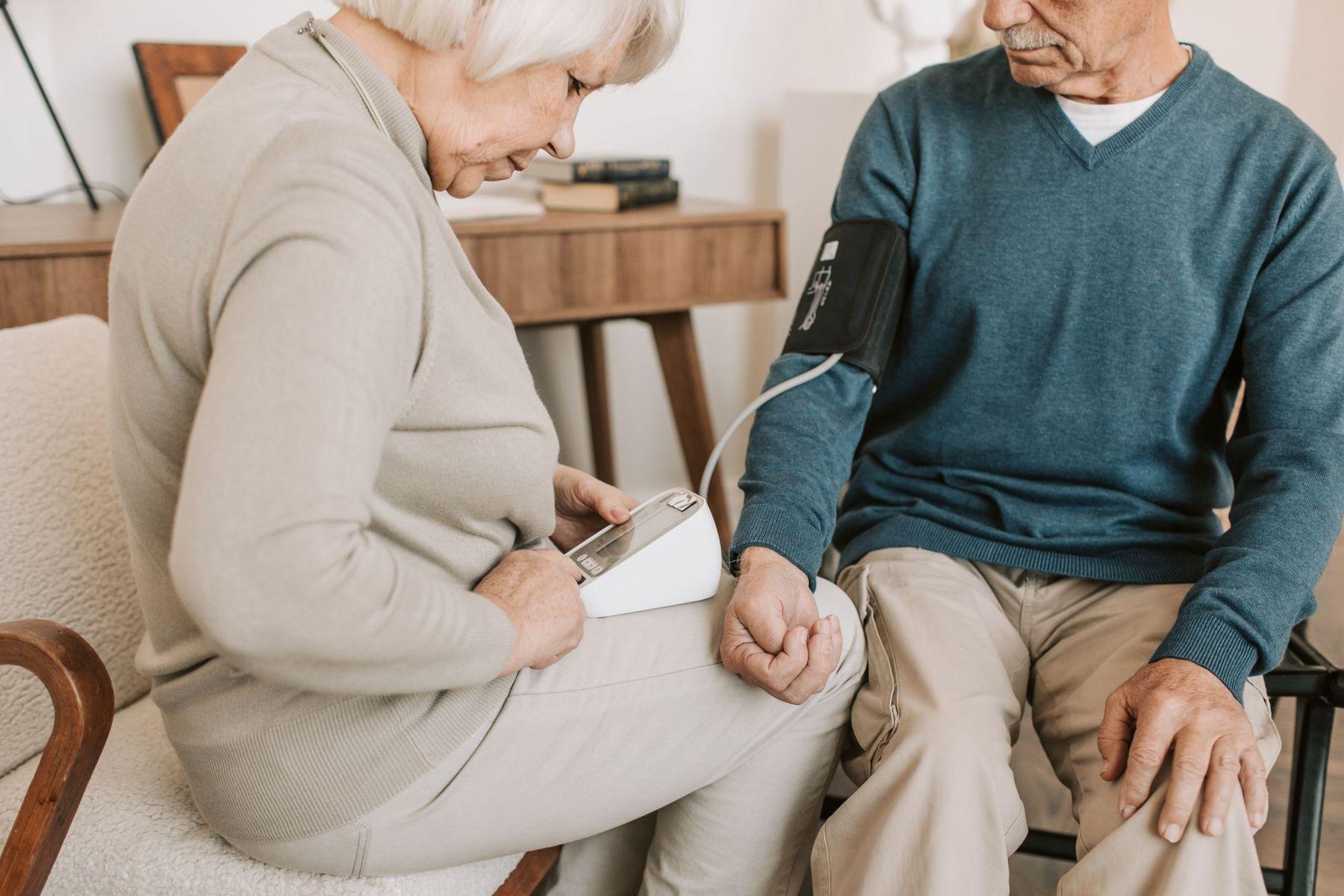
Remote physiologic monitoring (RPM) uses a connected device to send physiologic data, such as blood pressure, weight, blood glucose or oxygen saturation, to the practice. The codes split into setup, device supply and treatment management.
99453Device setup and patient education
Once per episode of care
99454Device supply with data transmission, 16 to 30 days of readings in a 30-day period
Once per 30 days
99445Device supply with data transmission, 2 to 15 days of readings in a 30-day period
New in 2026; not with 99454
99470Treatment management, first 10 minutes in a calendar month
New in 2026; needs a live interactive call
99457Treatment management, first 20 minutes in a calendar month
Needs a live interactive call
99458Each additional 20 minutes of treatment management
Add-on to 99457, full 20 minutes only
99091Practitioner collection and interpretation of data, at least 30 minutes in 30 days
Not with 99457 or 99458
Treatment management time can be spent by the practitioner or by clinical staff under general supervision, reviewing data and adjusting the plan. 99470 and 99457 each require at least one real-time, two-way audio interaction with the patient or caregiver that month (video can be added). 99091 needs no interactive call but counts only the practitioner's own time.
2026 and 2027 Medicare rates for RPM
For 2026, a typical first month of RPM (99453, 99454 and 99457) pays $125.59 nationally. The 2027 fee schedule cuts the device supply codes hardest: 99454 and 99445 fall from $52.11 to $41.11, a drop of $11.00 or 21.1%, because CMS decided device and setup costs were overvalued.
| Code | Service | 2026 | 2027 | Change |
|---|---|---|---|---|
99453 | Setup and education | $21.71 | $19.90 | Down 8.3% |
99454 | Device supply, 16 to 30 days | $52.11 | $41.11 | Down 21.1% |
99445 | Device supply, 2 to 15 days | $52.11 | $41.11 | Down 21.1% |
99470 | Management, first 10 minutes | $26.05 | $26.43 | Up 1.5% |
99457 | Management, first 20 minutes | $51.77 | $51.55 | Down 0.4% |
99458 | Management, each additional 20 minutes | $41.42 | $41.11 | Down 0.7% |
99091 | Practitioner data review, 30 minutes | $55.45 | $54.16 | Down 2.3% |
What does Medicare require for RPM?
Medicare pays for RPM only when every condition below is met. Physicians and nonphysician practitioners who can bill E/M services may bill it, and auxiliary staff can furnish it under general supervision.
RPM requirements
- The patient is established with you (seen by you or a same-specialty colleague in your group within 3 years) and has an acute or chronic condition to monitor.
- The device meets the FDA definition of a medical device.
- Data is collected electronically and uploaded automatically, not typed in by the patient.
- Readings cover 2 to 15 days (
99445) or 16 to 30 days (99454) of the 30-day period. - You have the patient's consent, documented when the service starts.
- Only one practitioner bills remote monitoring for the patient in a 30-day period.
- Management months include at least one live interactive call, and minutes are logged.
What changes for RPM and RTM in 2027?
The 2027 Medicare physician fee schedule adds three rules on top of the rate cuts. Starting January 1, 2027, remote monitoring must begin at a face-to-face visit, in person or by telehealth, where the billing practitioner discusses it; the visit does not have to be only about monitoring. Patients already monitored before January 1, 2027 are exempt. Remote therapeutic monitoring (RTM) becomes limited to established patients, as RPM already is.
From January 1, 2029, the codes cannot be billed when the work is done by a vendor's staff instead of clinical staff employed by the practice. Third-party vendors remain usable through December 31, 2028 if billing and supervision rules are met, so practices that outsource monitoring have until the end of 2028 to move the work to their own clinical staff. The 2027 fee schedule guide covers the rest of the rule.
Remote therapeutic monitoring codes
Remote therapeutic monitoring (RTM) tracks non-physiologic data, which can be self-reported, about how a patient responds to and follows a treatment: respiratory, musculoskeletal or cognitive behavioral therapy data. It mirrors the RPM structure.
| Code | Service | 2026 | 2027 |
|---|---|---|---|
98975 | RTM setup and education | $21.71 | $19.90 |
98976 | Device supply, respiratory, 16 to 30 days | $52.11 | $41.11 |
98977 | Device supply, musculoskeletal, 16 to 30 days | $51.44 | $40.79 |
98978 | Device supply, cognitive behavioral therapy, 16 to 30 days | Contractor priced | $40.79 |
98984 | Device supply, respiratory, 2 to 15 days | $52.11 | $41.11 |
98985 | Device supply, musculoskeletal, 2 to 15 days | $51.44 | $40.79 |
98986 | Device supply, cognitive behavioral therapy, 2 to 15 days | Contractor priced | $40.79 |
98979 | RTM management, first 10 minutes | $26.39 | $26.76 |
98980 | RTM management, first 20 minutes | $54.11 | $54.16 |
98981 | RTM management, each additional 20 minutes | $41.42 | $41.76 |
RPM vs RTM vs CCM: which applies?
RPM and RTM cannot be billed for the same patient in the same period; pick the one that matches the data. Either can be billed in the same month as chronic care management, principal care management, transitional care management or behavioral health integration, as long as no minute counts toward two services.
| RPM | RTM | CCM | |
|---|---|---|---|
| What it tracks | Physiologic data: blood pressure, weight, glucose, oxygen saturation | Therapy adherence and response: respiratory, musculoskeletal, CBT | No device; care coordination for two or more chronic conditions |
| Device | FDA-defined medical device, automatic upload | FDA-defined medical device | None |
| Main time codes | 99470, 99457, 99458 | 98979, 98980, 98981 | 99490, 99439 |
| Established patient | Required | Required from 2027 | Initiating visit if not seen in a year |
A patient with heart failure and diabetes is a typical candidate for both RPM and chronic care management in the same month, with separate time logs. Specialty workflows differ: see cardiology, endocrinology and primary care billing.
- Patient
- Age 66, established patient with uncontrolled hypertension; consent documented
- Day 1
- Medical assistant sets up a cellular blood pressure cuff and teaches its use
- Readings
- Transmitted on 22 of the 30 days
- Management
- 25 minutes in the month, including a 10-minute phone call to adjust medication
- 2026 national total
- $21.71 + $52.11 + $51.77 = $125.59
- Same month in 2027
- $19.90 + $41.11 + $51.55 = $112.56
Documentation and audit risk
43%
Share of Medicare enrollees who received remote patient monitoring but did not receive all three components: setup, device supply and treatment management.
OIG has asked CMS to tighten oversight of RPM, and CMS cited the same finding when it wrote the 2027 rules. Records that hold up show who ordered the monitoring and for which condition, consent, the device and its FDA status, the days with readings each period, a dated minute log, and each interactive call. Patients owe the usual 20% coinsurance on each code, so explain the monthly cost at consent.
Before the next billing cycle, run a report of every RPM patient's reading days and minutes for the period, then match each patient to 99454 or 99445 and to 99470, 99457 or 99458. Check your local rates in the fee schedule lookup.
Common questions
What is the difference between 99454 and 99445?
Both pay for the monitoring device and its data transmission over a 30-day period. 99454 requires readings on 16 to 30 days; 99445, new in 2026, covers 2 to 15 days. You bill one or the other for a period, never both. In 2026 both pay $52.11 nationally, and in 2027 both fall to $41.11.
How many minutes do you need for 99457?
At least 20 minutes of treatment management in the calendar month, including at least one real-time interactive call with the patient or caregiver. Time can be spent by the practitioner or clinical staff under general supervision. From 10 to 19 minutes, bill 99470 instead; each further full 20 minutes adds 99458.
Can RPM and CCM be billed in the same month?
Yes. Medicare allows RPM or RTM, but not both, in the same month as chronic care management, principal care management, transitional care management or behavioral health integration, if no time is counted toward more than one service. Keep separate minute logs for each.
Does RPM require an in-person visit?
RPM already requires an established patient. Starting January 1, 2027, a patient starting RPM or RTM also needs a face-to-face initiating visit, in person or by telehealth, where the billing practitioner discusses the monitoring. Patients monitored before January 1, 2027 are exempt.
Can a vendor provide RPM services for my practice?
Through December 31, 2028, yes, if Medicare's billing and general supervision rules are met. From January 1, 2029, CMS will not pay RPM or RTM codes when the work is done by anyone other than clinical staff employed by the billing practitioner or practice.
References
- [1]CMS MLN901705: Telehealth and remote monitoring (December 2025)cms.gov
- [2]Federal Register: CY 2027 Physician Fee Schedule final rule (CMS-1848-F)govinfo.gov
- [3]CMS: CY 2027 Medicare Physician Fee Schedule final rule fact sheetcms.gov
- [4]HHS OIG: Additional oversight of remote patient monitoring in Medicare is neededoig.hhs.gov
- [5]CMS MLN909188: Chronic care management services (June 2025)cms.gov
- [6]AAFP: Summary of the CY 2027 Medicare Physician Fee Schedule final ruleaafp.org
- [7]AASM: Remote monitoring services implementation guide (2026)aasm.org
- [8]HFMA: 2027 Medicare physician fee schedule cuts explainedhfma.org
How this guide was checked
Reviewed by the Upfront RCM billing team on November 22, 2026 against the sources above. Medicare amounts are national rates from the CMS fee schedule files, before the patient's share and any local adjustment; see your own area's rates in our Medicare fee schedule lookup, and any code in plain English in the code library. Rules differ by payer and change often, so check the plan's current policy before you bill. Spotted something out of date? Tell us.
Related on Upfront RCM
More medicare guides
- The 2027 Medicare physician fee schedule: what changes for your practice
- G2211 add-on code in 2026, and modifiers B1 and B2 in 2027
- What is an RVU in medical billing, and how does Medicare pay it?
- Annual wellness visit billing: G0438, G0439 and what you can add
- Chronic care management billing: 99490 and the related codes
- Advance Beneficiary Notice (ABN): when you need one and how to use it